
Why the Roborock Climbing Vacuum May Be a Bad Buy
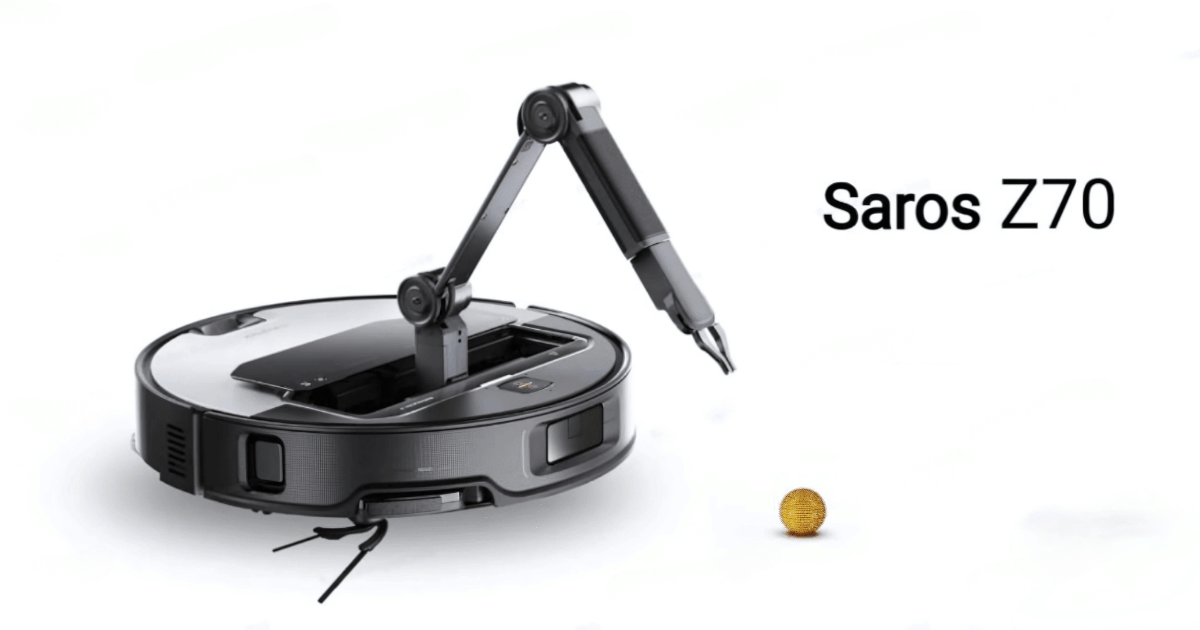
Roborock recently introduced what it calls the world’s first automated vacuum that cleans while it climbs. On paper, it sounds impressive. In real-world use, however, this machine introduces serious cleanliness, safety, and performance concerns that many buyers don’t realize until after purchase — and until their floors start to look worse.
One of the biggest issues with this type of automated vacuum-mop system is maintenance neglect. Most users do not properly clean the pads, rollers, and internal components after each run.
When pads and brushes clog with dirt, grease, and debris, the machine doesn’t stop working — it keeps spreading that contamination across your floors. Instead of cleaning, it effectively re-deposits grime, making floors dirtier than before the machine was turned on.
Many users report a noticeable film or coating left behind on tile and hard floors. This residue attracts dirt faster, dulls the appearance of tile, creates a sticky or hazy finish, and can be extremely difficult to remove once it builds up.
Despite claims of advanced navigation, these machines can stop randomly in the middle of rooms, freeze near walkways or doorways, and park themselves where you least expect them — creating a real tripping hazard especially for children and older occupants.
The climbing feature sounds innovative, but it increases the risk of falls, sensor malfunction, and electronic failure. If the unit misreads an edge or loses traction, the consequences can be expensive — or dangerous. These machines are simply not designed for complex elevation changes found in real homes.
No automated vacuum-mop can properly flush grout lines, extract embedded soil, remove chemical buildup, or replace hands-on maintenance. Without frequent manual cleaning of the machine itself, performance steadily declines — and floors quietly get worse over time.
More Gimmick Than Solution
While the Roborock climbing vacuum may look futuristic, its real-world drawbacks outweigh its benefits for many homeowners. Between dirty pads spreading grime, chemical residue buildup, navigation failures, and safety risks near stairs, this device can quickly become more trouble than it’s worth.
Convenience should never come at the cost of cleaner floors, safety, or long-term damage. For many homes, this “automated” solution ends up creating problems that require professional intervention to fix.
My Experience Writing This Article
Michael Marcus · Owner-Operator · Las Vegas Tile & Grout Cleaning
I didn’t write this article because I hate technology. I wrote it because I’ve seen the after-effects of these machines in real homes. As someone who works with tile and grout every day, I get called in when floors don’t look right anymore — when white tile turns dull, grout darkens for no obvious reason, or floors feel sticky no matter how often they’re “cleaned.”
The chemical residue issue is another reason I felt compelled to write this. I’ve had to professionally deep clean tile just to remove the film left behind by these solutions. Writing this wasn’t about trashing a brand — it was about being honest. Cleaning still requires physical work, proper rinsing, and maintenance. When those things are ignored, floors suffer.
Floors looking dull or sticky? We can fix that.
Professional truck-mounted cleaning removes residue, embedded grime, and chemical buildup that automated machines leave behind. Call Michael directly — 7 days a week.